

Child Therapy
in Bozeman, MT
When your child is struggling, it’s hard to know whether to wait it out or reach out. Whether it’s tantrums that won’t settle, worry keeping them up at night, or the big feelings that come out sideways at school or at home. You don’t have to have it figured out before you call. That’s what we’re here for.
nCenters offers child therapy in Bozeman for kids and their families. We meet children where they are, in a way that fits how they actually process the world, and we bring parents in as part of the work rather than leaving you on the outside.
-
That’s your call as the parent or guardian. If something feels off, there’s no shame in seeking another perspective.
Families come to us when a child is dealing with:
- Anxiety, worry, or fears that get in the way of school, sleep, or friendships
- Big emotions and meltdowns that feel too big to manage
- Changes after a hard event: a loss, a divorce, a move, a scary experience
- Trouble focusing, or behavior that keeps showing up at school or home
- Low mood, withdrawal, or a child who just does not seem like themselves
- Social struggles, self-esteem, or big transitions
-
Some signs that therapy could help:
- Emotional distress that runs long, more than five to ten minutes an episode
- Intense outbursts: screaming, kicking, or aggression toward others
- Anger that comes out in destructive ways
- Any self-harming behavior, or aggression toward people or animals
- Ongoing anxiety, excessive worry, or pulling away from friends and family
- A teacher or school flagging that emotions or behavior are getting in the way of learning
These are only a few examples. If you are not sure it "counts," call anyway.
We will help you figure out whether therapy is the right step. -
Kids don’t always have the words for what they’re carrying or feeling, and they shouldn’t be expected to sit on a couch and explain themselves like a tiny adult. So we work the way children actually communicate:
- Play therapy is our foundation for younger kids (more info below).
- For older children we blend play, talk, and skills work, and we draw on approaches like cognitive behavioral therapy (CBT) to help them understand and manage anxiety and other big feelings.
- Parents are part of the plan here. We keep you in the loop and give you tools to use at home, so the progress in session carries into daily life.
We also treat the two things Bozeman parents seem to need the most support with: childhood anxiety and childhood trauma. Cortney, our child therapy specialist, works specifically with both.
Our Child Therapy Team

Cortney Duffy, PLCPC
Cortney is our child therapy specialist in Bozeman. She works with children (as young as 8), teens, and young adults, with a focus on anxiety and trauma. Alongside play-based work she draws on emotionally focused therapy, internal family systems, and rational emotive behavioral therapy: approaches that help kids name what they‘re feeling, make peace with the different parts of themselves, and loosen the thinking that keeps anxiety going. Kids warm to her quickly, and she partners closely with parents throughout the process.
Children, Teens, Young Adults (Bozeman and Virtual)
Suzanne Panique, LCPC
Suzanne practices CBT and other therapeutic approaches to give families more options and added flexibility for scheduling and fit. Operating out of Kalispell and meeting virtually with clients across Montana.
All Ages (Kalispell and Virtual)
Some of the biggest change for a young, easily overwhelmed child comes through their caregivers. Susan helps parents build the steady, secure connection that helps a child feel safe and settle. If your child is very young or their emotions run big, parent-focused support can be the piece that moves everything else.
Parents (Virtual)Susan Jedd, LCPC
Play Therapy
For young children, play is the language. Play therapy uses that language on purpose. Through play, a child can show and work through what they cannot yet put into words: fears, frustration, grief, the feeling of not being in control. It is especially helpful for kids working through trauma, loss, divorce, medical challenges, or for children who are neurodivergent.
Depending on your child, play therapy can draw on:
Sand play for working through inner conflicts in a symbolic, low-pressure way
Art as a non-verbal outlet for feelings that are hard to say out loud
Storytelling to make sense of hard memories and events
Puppets to practice communication and try out what is on their mind
Music and movement to release difficult feelings and express what words cannot
It looks and feels like play! And there’s real therapeutic work taking place, guided by our trained specialists. If your child is young, or words have not gotten you very far, this can often be the right place to start.


Cognitive-Behavioral Therapy (CBT)
Play is the foundation, but not the whole toolkit. For many kids, we use CBT, which helps them see the link between thoughts, feelings, and actions, and build calmer, steadier responses to anxiety and big emotions. And throughout, we stay in close partnership with you, the parent/guardian, because so much of what actually helps a child gets reinforced at home.
CBT for Trauma and Emotional Regulation:
Identifies negative thoughts and behaviors.
Teaches how thoughts influence emotions and actions.
Provides strategies to challenge and change negative thinking.
Encourages thoughtful responses rather than reactive behaviors.
Attachment Therapy
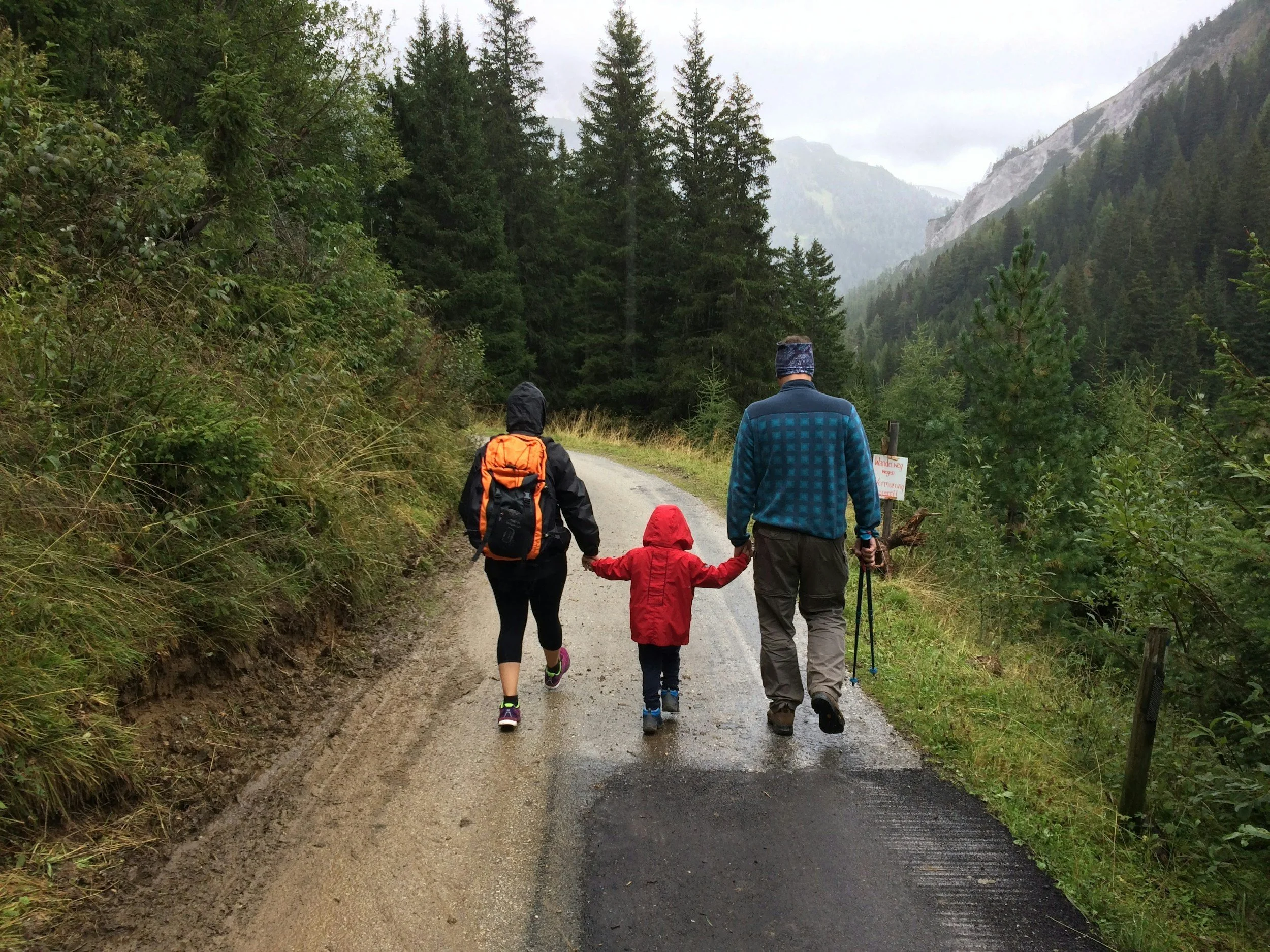
Attachment therapy focuses on building strong, secure emotional bonds between children and their caregivers. Early attachment significantly influences personality, behavior, and relationships throughout life.
Four Attachment Styles:
Secure: Develops from a warm, safe connection with caregivers.
Anxious: Results from inconsistent caregiving, leading to clinginess and fear of abandonment.
Avoidant: Forms when caregivers are dismissive, causing children to avoid seeking comfort.
Disorganized: Arises from inconsistent caregiving, leading to difficulty trusting others.
What to Expect
The first visit is mostly for the grown-ups. We’ll talk about what’s going on, your child's history, and what you’re hoping to work on, so we can shape a plan before your child is ever in the room. From there, sessions are built around your child, and we adjust as they grow and change. Nothing is rushed, and you stay involved throughout.
Sessions are in-person at our Bozeman office, with virtual options for families across Montana if that’s a better fit.
Some children, especially those dealing with focus or ADHD, also benefit from our biofeedback, neurofeedback, and qEEG brain mapping services alongside therapy. We’ll tell you honestly whether it’s worth considering for your child, and there is no pressure either way.
What Child
Therapy can do
Good child therapy is not just about getting through a rough patch. Over time, it equips a child to:
- Build confidence and social skills
- Learn calming strategies for hard moments
- Get better at recognizing and managing their own emotions
- Strengthen relationships with family and friends
- Settle enough to focus and do better at school
Reaching out early can keep small struggles from growing into bigger ones down the road.
-
We’ve worked with children as young as 4, and use approaches best-suited for each age group. If you’re unsure whether your child is a fit, give us a call and we’ll talk it through.
-
Play therapy uses play, a child's natural language, to help them express and work through feelings they cannot yet put into words. It’s real therapeutic work that looks and feels like play to your child, guided by a trained specialist.
-
Yes. We bring parents in as part of the work, to keep you informed and give you tools to use at home. The details a child shares stay appropriately private, but you are a partner in the plan, not a bystander. For some families we also offer separate counseling for the parents, focused on building the secure connection that helps your child feel safe.
-
We see children in person at our Bozeman and Kalispell offices, and offer virtual sessions for families across Montana.
nCenter believes in-person sessions are much more effective for younger kids and play-based therapy. -
Yes. Those are among the most common reasons families reach out, and Cortney specializes in both. We tailor the approach and pace to your child and their needs.